Paper items, for example, kitchen rolls, bathroom tissue, and tissue paper, are a fundamental piece of our day-to-day routines. Yet, have you at any point considered how they figure out how to retain fluids and wrecks so successfully? The response lies in the study of receptiveness, an entrancing cycle that includes the special properties of paper and its collaboration with fluids.
The Design of Paper
Paper is comprised of an organization of strands, as a rule from wood or cotton, that are reinforced together by a characteristic glue called lignin. The filaments are organized in an irregular example, making a permeable construction that permits fluids to enter the paper.
The Absorbency Cycle
At the point when a fluid comes into contact with paper, it is brought into the pores between the strands through a cycle called slim activity. The fluid is then consumed by the filaments, which grow as they take in the fluid. This enlarging makes the filaments bond together more unequivocally, making areas of strength for a permeable material.
Factors Influencing Absorbency
A few variables can influence the receptiveness of paper items, including:
– Fiber type: Various sorts of strands have fluctuating degrees of permeability. For instance, cotton strands are more permeable than wood filaments.
– Fiber length: Longer strands will generally be more retentive than more limited filaments.
– Pore size: The size of the pores between the filaments can influence the pace of permeability.
– Synthetic medicines: Some paper items might be treated with synthetic compounds that improve or diminish permeability.
How Different Paper Items Assimilate
Different paper items have changing degrees of permeability, contingent upon their planned use:
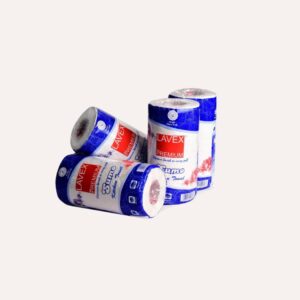
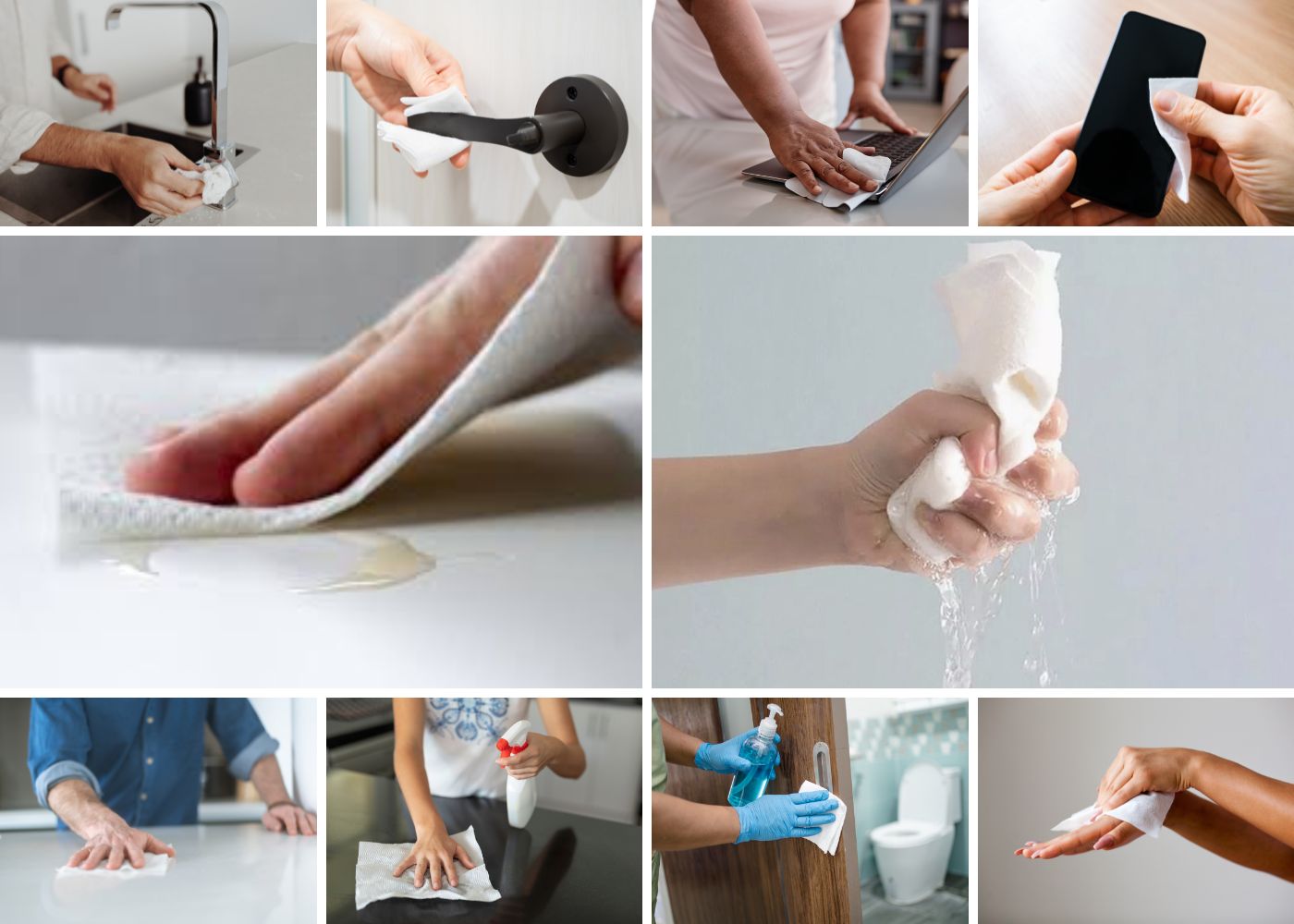
– Kitchen rolls: Intended for tidying up spills and wrecks, kitchen rolls are profoundly spongy and can hold a lot of fluid.
– Tissue: While still retentive, bathroom tissue is intended for individual cleanliness and has a lower absorbency level than kitchen rolls.
– Tissue paper: Facial tissue and different sorts of tissue paper are intended for delicate use and have a lower absorbency level than kitchen rolls and tissue.
The study of receptiveness is a captivating cycle that depends on the one-of-a-kind properties of paper and its cooperation with fluids. By understanding how paper items assimilate, we can see the value in the design that goes into making these fundamental items. Whether you’re tidying up a spill or cleaning out your nose, paper items are a crucial piece of our day to day routines.